Ecosystem Priorities

Where We Direct Every Effort

Restoration requires targeted, science-backed intervention. We concentrate resources, technology, and grassroots stewardship on the three vital lifelines that sustain Earth’s equilibrium.

Terrestrial Biomes

Ancient Forests & Canopies

From old-growth temperate rainforests to the tropical Amazon basin, we secure legal sanctuary status, eliminate illegal logging corridors, and reintroduce keystone flora.

4.06B Hectares Global Forest (FAO)
10M Hectares Lost / Year (WRI)
  • Old-growth primary canopy defense
  • Autonomous drone bio-seeding
  • Planned approach: Indigenous land co-stewardship coalitions
Marine Corridors

Living Oceans & Coral Reefs

Oceans generate every second breath we take. Restoration science uses giant kelp havens, heat-resilient coral micro-fragmentation, and coastal mangrove buffers against storm surges.

8.2% Global Ocean Protected (WDPA)
~50% Coral Lost Since 1950 (IPBES)
  • Kelp bed & blue-carbon rewilding
  • Microplastic barrier interception
  • Heat-adapted coral reef propagation
Atmospheric Airsheds

Clean Air & Urban Canopies

Clean, particulate-free air is a fundamental right. Urban restoration science deploys high-density Miyawaki micro-forests in dense urban centers to filter particulate matter (PM2.5) and cool urban heat islands.

99% World Pop. in Unsafe Air (WHO)
6.7M Annual Air Pollution Deaths (WHO)
  • Miyawaki rapid micro-forest planting
  • Open-source air quality sensor meshes
  • Industrial airshed buffer vegetation
Terrestrial Biome Deep Dive

Ancient Forests & Primary Canopies

Safeguarding old-growth rainforests, restoring fragmented wildlife corridors, and prioritizing assisted natural regeneration to protect the planet’s terrestrial carbon storehouses.

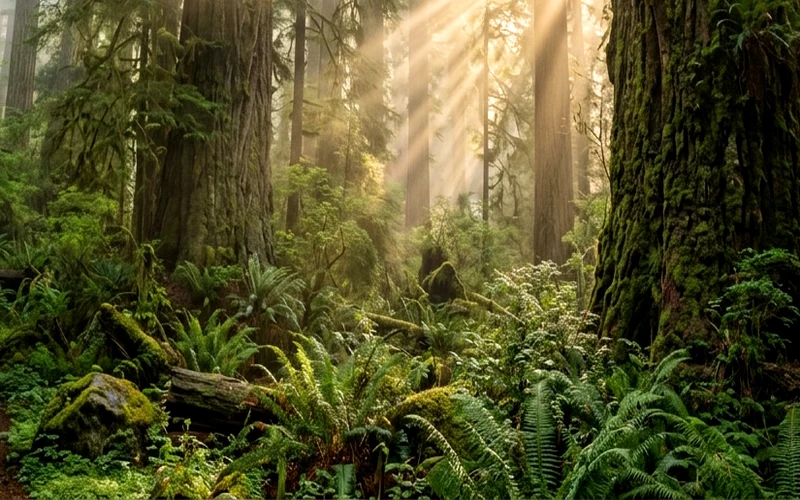
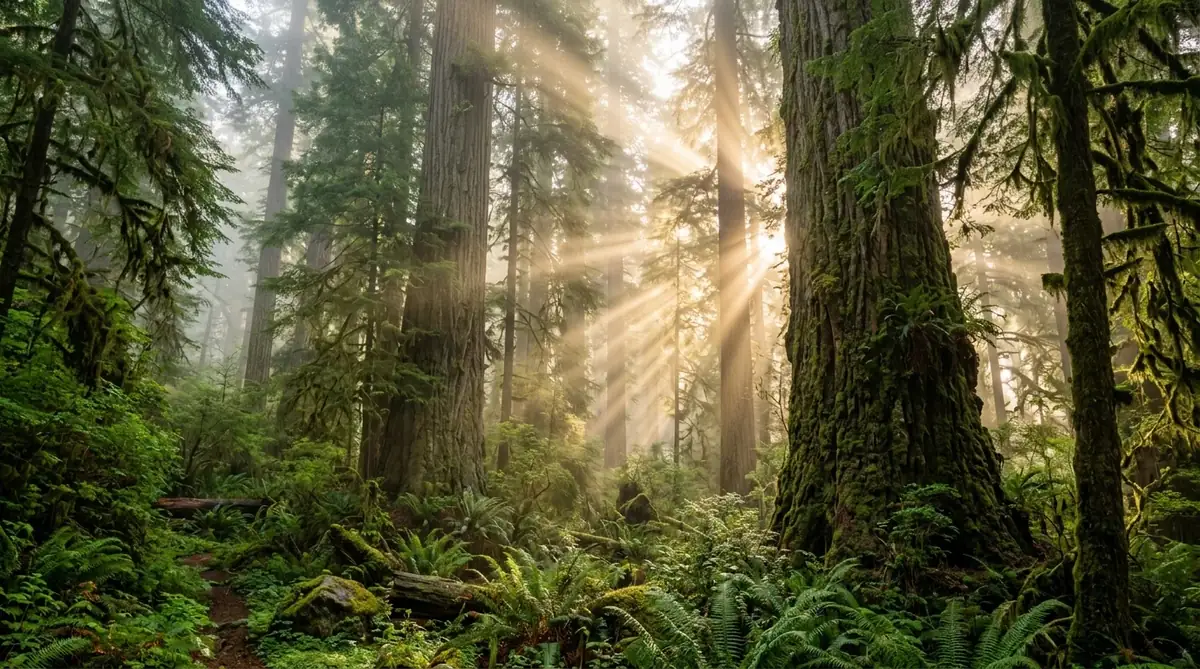
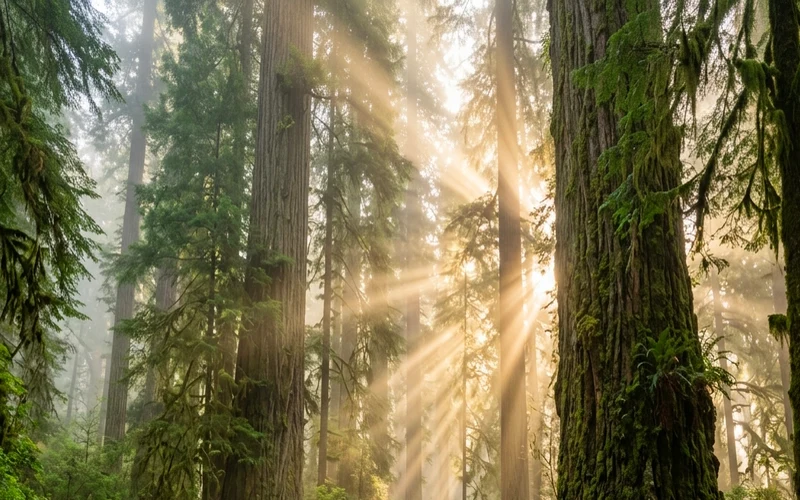
Old-growth misty rainforest canopy with moss-covered trunks and sun rays
Forest biomes provide habitat for 80% of amphibian, 75% of bird, and 68% of mammal species (FAO SOFO 2020). Primary Biome Focus

The Crisis: Accelerating Forest Loss

Each year, Earth loses approximately 10 million hectares of forest—an area the size of Portugal—driven by industrial logging, agricultural conversion, and intensified wildfire regimes (FAO Global Forest Resources Assessment 2020). Primary tropical rainforests, which shelter a vast majority of terrestrial species including 80% of amphibians and 75% of birds (FAO 2020), are vanishing at a rate of 10 football pitches per minute (World Resources Institute). When old-growth canopies are fragmented, critical microclimatic buffers collapse, soil moisture evaporates, and ancient carbon sinks flip into atmospheric carbon emitters. The IPCC warns that exceeding 1.5°C will subject 20% of tropical biomes to irreversible ecosystem degradation. Stopping canopy deforestation and restoring degraded secondary buffers represents humanity’s most immediate, irreplaceable terrestrial climate defense.

Sourced Benchmarks: 10M ha lost/yr (FAO 2020) • Habitats for 80% amphibians, 75% birds, 68% mammals (FAO 2020) • 10 pitches/min primary forest loss (WRI).

Restoration Science Recommendations

Restoration ecologists reject monoculture plantations in favor of complex ecological succession based on three peer-reviewed pillars:

  • Assisted Natural Regeneration (ANR)

    Rather than planting commercial saplings, ANR clears invasive brush and protects native soil seed banks, achieving 300% higher seedling survival at one-third the cost.

  • Biological Canopy Corridors

    Establishing continuous wildlife corridors between fragmented primary reserves restores gene flow, prevents catastrophic inbreeding depression, and enables species to migrate upwards as temperatures climb.

  • Multi-Tiered Stratum Diversity

    Replanting must mirror pristine old-growth architecture with four distinct canopy layers—emergent giants, mid-canopy fruit bearers, understory shrubs, and mycorrhizal groundcovers—utilizing at least forty endemic co-adapted tree species to foster long-term pest and climate resilience.

Examples from the Field

Independent Global Initiatives: The field examples highlighted below are celebrated external conservation programs provided strictly for educational and comparative analysis. They are independent entities and are not projects owned, operated, or managed by Rooted.

The Great Green Wall

An ambitious pan-African initiative restoring degraded drylands across 8,000 km of the Sahel to halt desertification and create rural livelihoods.

target: 100M hectares restored by 2030

The Bonn Challenge

A global diplomatic effort driving country-level commitments to bring deforested and degraded land into active ecological restoration.

over 210M hectares pledged globally

Guanacaste Dry Forest Conservation

A world-leading biocultural restoration program that has regenerated former cattle ranches into over 160,000 hectares of contiguous tropical dry forest.

163,000 protected marine & terrestrial hectares
Marine Biome Deep Dive

Living Oceans & Coral Sanctuaries

Rebuilding thermal-tolerant coral reefs, scaling blue-carbon mangrove buffers, and enforcing strict marine sanctuary corridors across vulnerable ocean basins.

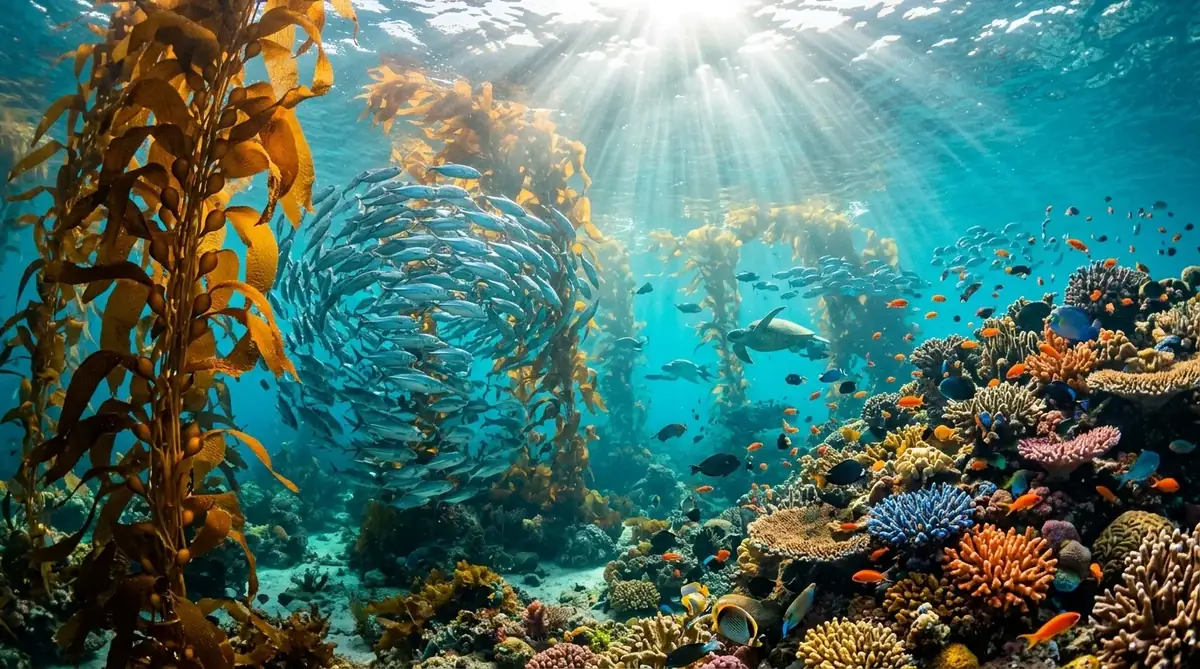
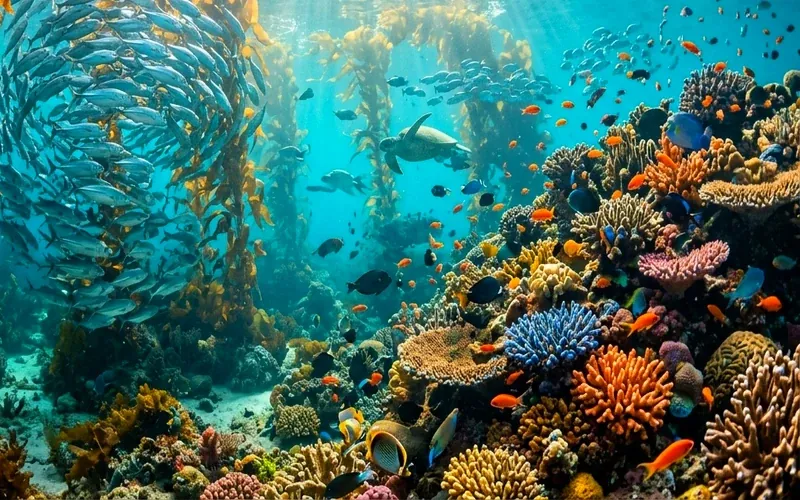
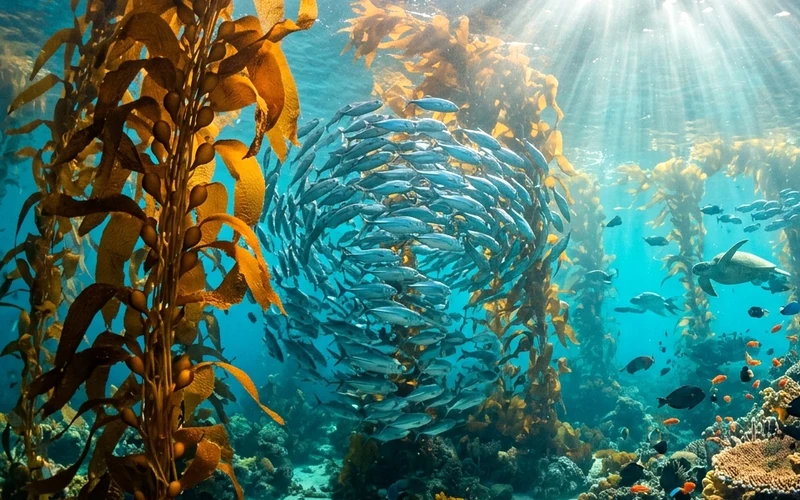
Vibrant coral reef ecosystem teeming with marine fish under crystal clear turquoise water
Living coral reefs occupy less than 0.1% of the seafloor yet sustain 25% of all oceanic marine life and fisheries. Marine Biome Focus

The Crisis: Oceanic Warming & Acidification

Marine ecosystems face an existential tri-fold crisis: sea surface temperatures have reached historic highs, marine heatwaves have doubled in frequency since 1982, and ocean acidification has risen by 30% since pre-industrial benchmarks (IPCC SROCC). Over 50% of the world’s living coral reefs have died since 1950, with UNEP models predicting up to 90% mortality by 2050 if emissions remain unchecked. Concurrently, coastal mangrove forests—which store 3 to 5 times more carbon per hectare than upland tropical forests and bury carbon in waterlogged soils at rates up to ten times faster—are disappearing four times faster than terrestrial woodlands. The loss of these marine breeding grounds threatens 25% of all oceanic life and dismantles the primary storm surge defense protecting 500 million vulnerable coastal residents worldwide.

Sourced Benchmarks: 50% coral reefs lost since 1950 (IPBES) • +30% ocean acidification (IPCC) • 500M people dependent on coastal storm buffers (UNEP).

Restoration Science Recommendations

Marine biologists advocate for three complementary interventions to regenerate marine ecosystems before catastrophic tipping points occur:

  • Thermal-Resilient Micro-Fragmentation

    Cultivating heat-tolerant coral colonies in land-based propagation labs, cutting them into micro-fragments that grow up to fifty times faster, and outplanting them onto stabilized marine substrate reefs.

  • Blue Carbon Biome Expansion

    Restoring intertidal mangrove estuaries expands proven blue carbon sinks, while kelp forests may contribute to carbon storage; long-term sequestration is still being researched, alongside establishing vital juvenile fish havens that replenish dwindling regional fish stocks.

  • Strict No-Take Marine Reserves

    Protecting at least 30% of marine corridors by 2030 (the global 30x30 target) eliminates bottom trawling and overfishing, allowing apex predators to return and generating biomass spillover effects across surrounding fished coastal waters.

Examples from the Field

Independent Global Initiatives: The field examples highlighted below are celebrated external conservation programs provided strictly for educational and comparative analysis. They are independent entities and are not projects owned, operated, or managed by Rooted.

Mikoko Pamoja Mangrove Project

A pioneer community-led mangrove carbon offset project in Kenya that channels accredited carbon revenues into local clean water and education infrastructure.

approx. 2,000 tonnes CO2-e offset annually

Coral Vita

An eco-tech facility operating land-based coral propagation labs that grow micro-fragmented corals up to 50 times faster to rebuild degraded barrier reefs.

accelerated growth up to 50x

Billion Oyster Project

A nonprofit citizen-science movement restoring 1 billion native oysters to filter toxic estuarine water and attenuate harbor storm surge energy.

over 100M oysters restored to date
Atmospheric & Urban Biome Deep Dive

Clean Air & Urban Micro-Canopies

Countering lethal particulate pollution and urban heat island effects through dense native Miyawaki micro-forests, living green corridors, and open-source airshed monitoring.

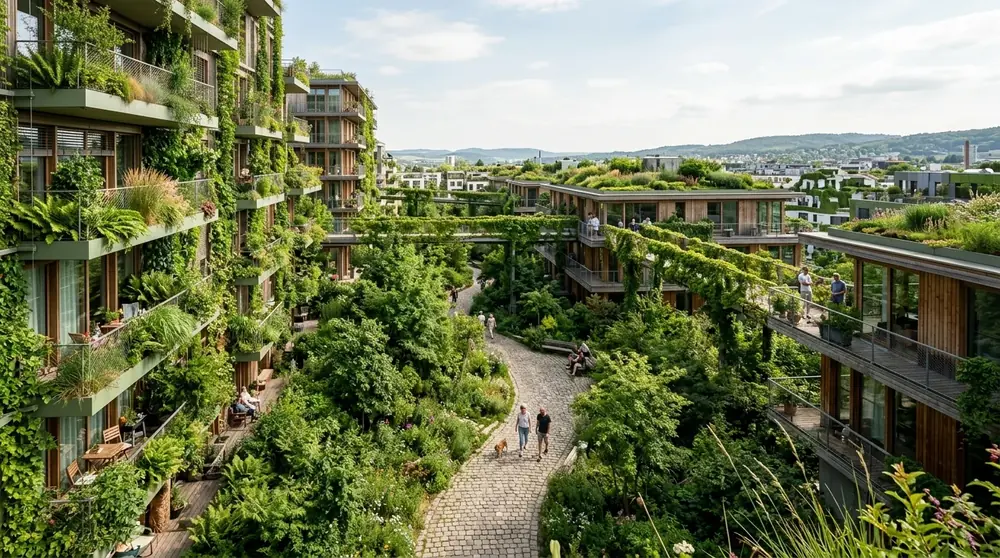
Lush urban Miyawaki micro-forest planted adjacent to modern eco-friendly city architecture
Dense urban micro-forest pockets filter fine particulate matter (PM2.5) while lowering localized heat island temperatures by up to 4°C. Atmospheric Biome Focus

The Crisis: Toxic Airsheds & Urban Heat

According to the World Health Organization, 99% of the global population breathes air exceeding safe PM2.5 and nitrogen dioxide thresholds, resulting in 6.7 million premature deaths every single year. In dense urban regions, asphalt roadways, dark roofs, and vehicular emissions produce intense Urban Heat Islands (UHIs), elevating daytime ambient air temperatures by 1°C to 4°C compared to rural baselines, with localized surface radiant heat differentials exceeding 10°C (US EPA; Lancet Planetary Health). Lack of tree canopy cover disproportionately afflicts low-income and industrial districts, compounding respiratory illness, cardiovascular mortality, and severe heat distress. Air pollution is not merely an atmospheric anomaly; it is an acute public health emergency driven by the systemic eradication of biological leaf canopies and permeable vegetative surfaces across human living environments.

Sourced Benchmarks: 99% world pop breathes unsafe air (WHO 2024) • 6.7M deaths/yr (WHO) • Up to +8°C to +12°C urban surface radiant heat differential (Lancet / EPA).

Restoration Science Recommendations

Urban forestry and atmospheric science prioritize three high-impact strategies to cleanse city air and mitigate urban microclimates:

  • High-Density Miyawaki Urban Pockets

    Advocates report planting native trees at ultra-high density (3 to 4 per square meter) can accelerate canopy establishment up to tenfold compared to unmanaged succession (Miyawaki, 1999), generating dense multi-layered leaf surface area within small, previously neglected urban parcels.

  • Particulate-Capturing Foliage Selection

    Deploying tree species with micro-pubescent, rough, or waxy leaf structures (such as conifers, birch, and native figs) maximizes particulate interception, filtering PM2.5 and PM10 particles directly from ambient air currents.

  • Connected Biophilic Cooling Corridors

    Weaving linear urban tree lines, living green roofs, and bioswales throughout metropolitan cores lowers neighborhood ambient temperatures by 2°C to 4°C through shade provision and active vegetative evapotranspiration.

Examples from the Field

Independent Global Initiatives: The field examples highlighted below are celebrated external conservation programs provided strictly for educational and comparative analysis. They are independent entities and are not projects owned, operated, or managed by Rooted.

Afforestt / Miyawaki Method

An environmental organisation creating native urban micro-forests; the organisation reports growth up to 10x faster and 30x denser than conventional city plantings, noting young plots require watering and weeding during the initial 2–3 years before becoming self-sustaining.

over 450 native forests planted

Melbourne Urban Forest Strategy

A municipal climate resilience program expanding municipal tree canopy cover to 40% to shield urbanites from extreme heat and filter atmospheric particulate.

targeting 40% urban canopy cover by 2040

Paris OASIS Schoolyards Project

A transformative civic initiative replacing heat-trapping asphalt schoolyards with permeable soil, shade trees, and rainwater gardens accessible as neighborhood cool refuges.

over 130 schoolyards transformed

Restoration Comparison Framework

Evaluating planetary impact, biological velocity, and intervention dynamics across our three ecosystem priority biomes.

Dimension 🌲 Ancient Forests 🌊 Living Oceans 🍃 Clean Air & Canopies
Primary Mechanism Assisted Natural Regeneration & Corridor Defense Micro-fragmentation & Blue Carbon Buffer Zones High-density Miyawaki Micro-forests
Key Global Bottleneck Commercial logging & agricultural encroachment Ocean acidification & warming thermal thresholds Impervious surface area & municipal land access
Time to Ecological Maturity 40–80 years Long-term sink 15–30 years Medium-term sink 10–20 years Rapid canopy
Carbon Sequestration Rate 5–12 tonnes CO₂ / ha / yr 30–80 tonnes CO₂ / ha / yr (Mangroves & Kelp) 8–18 tonnes CO₂ / ha / yr (Dense canopy)
Biodiversity Density Impact Habitats for 80% amphibians, 75% birds, 68% mammals (FAO 2020) Reefs sustain 25% of all oceanic marine life Restores pollinator highways & bird micro-habitats
Community Co-Benefits Indigenous land security & freshwater watershed protection Artisanal fishery recovery & storm surge defense Heat island reduction (-4°C) & respiratory relief
Sourced Global Metric 4.06B ha global forest; 10M ha lost/yr (FAO 2020) 8.2% ocean protected; 50% coral lost (IPBES) 99% pop in unsafe air; 6.7M deaths/yr (WHO)
Rooted Planned Approach Acoustic sensor grid & Indigenous land trusts Solar-powered Biorock & community propagation reefs Modular urban Miyawaki & IoT sensor mesh

Restoration Science Glossary

Essential ecological concepts, terminology, and frameworks guiding modern planetary regeneration.

Assisted Natural Regeneration (ANR)
A nature-based restoration strategy that removes barriers to natural forest succession—such as invasive weeds, grazing cattle, and wildfires—enabling native seeds already present in the soil bank to regenerate naturally at significantly lower cost than tree plantations.
Blue Carbon
Carbon captured and sequestered by the world’s ocean and coastal ecosystems—principally tidal marshes, mangroves, and seagrass meadows—which lock organic carbon into anaerobic soils for centuries, up to 10 times faster per hectare than mature terrestrial forests.
Miyawaki Method
An ecological reforestation methodology developed by Japanese botanist Akira Miyawaki that plants dozens of co-adapted native species at high density (3–4 saplings/m²), accelerating multi-layered forest maturity and canopy formation by up to 10 times compared to conventional forestry.
Urban Heat Island (UHI) Effect
A metropolitan microclimatic phenomenon where densely built surfaces (asphalt roadways, concrete structures, dark rooftops) absorb and re-emit solar radiation, elevating daytime urban air temperatures by 1°C to 4°C (1°F to 7°F) above outlying vegetated rural landscapes, with nighttime differences of 1°C to 3°C (US EPA, Oke 1982).
Keystone Species
An organism that exerts disproportionately large influence on the structure and ecological stability of its surrounding natural community; its absence triggers dramatic ecosystem collapses, trophic cascades, or loss of biodiversity across entire food webs.
Fine Particulate Matter (PM2.5)
Microscopic airborne combustion particles with an aerodynamic diameter of 2.5 microns or less that bypass respiratory cilia and enter human bloodstreams; tree canopies with rough, pubescent, or coniferous leaves act as physical biological filters that intercept PM2.5.
Biological Corridors
Continuous, contiguous ribbons of restored native vegetation linking fragmented nature reserves and wilderness areas, enabling genetic exchange, healthy migratory pathways, and climate-induced range shifts for threatened wildlife populations.
Micro-Fragmentation
A coral restoration technique where living coral colonies are mechanically sliced into tiny 1–3 mm fragments, stimulating a rapid self-healing colonial growth response that produces mature, sexually active coral polyps up to 50 times faster than normal ocean growth rates.
Frequently Asked Questions

Answers to common questions regarding Rooted’s focus areas, scientific methods, and collaborative roadmap.

How does Rooted select its primary ecosystem focus areas?

We evaluate biomes against three scientific filters: irreversible tipping-point proximity, maximum carbon sink leverage, and immediate biodiversity vulnerability. Ancient primary forests store the bulk of terrestrial carbon, living oceans regulate the global hydrological and thermohaline engine, and urban canopies directly mitigate acute human health hazards for the majority of the world’s population.

Why does Rooted emphasize native species instead of fast-growing commercial timber?

Fast-growing non-native monocultures (such as eucalyptus or pine) deplete water tables, increase catastrophic fire risk, and support virtually zero native insect, bird, or fungal biodiversity. Ecological restoration science proves that multi-species native assemblages develop resilient soil mycorrhizal networks and store carbon far more permanently than timber plantations.

Are the field initiatives listed on this page managed or owned by Rooted?

No. Initiatives such as the Great Green Wall, Coral Vita, and the Billion Oyster Project are independent global programs highlighted strictly for educational analysis and benchmarking. Rooted is developing its own planned focus areas and community stewardship methodologies, building upon the invaluable lessons established by these global pioneers.

How does urban micro-forest carbon capture compare to ancient old-growth forests?

While old-growth forests sequester immense total gigatonnes of carbon across vast expanses of soil and timber biomass, urban Miyawaki micro-forests are optimized for rapid localized microclimate intervention: filtering PM2.5 particulate matter, providing immediate shade, reducing urban heat islands by up to 4°C, and building community environmental awareness.

What role do Indigenous and local communities play in Rooted’s planned restoration models?

At least 36% of the world’s remaining Intact Forest Landscapes lie within Indigenous Peoples’ lands, and loss rates there are lower than on non-Indigenous lands. Our planned educational and rewilding models reject exclusionary fortress conservation; instead, Rooted aims to learn from and amplify community land trusts, supporting permanent territorial sovereignty and ancestral ecological stewardship.

Source: Frontiers in Ecology and the Environment (Fa et al., 2020)
How will Rooted measure and verify its ecological outcomes when projects launch?

We prioritize open-science, multi-layered telemetry: autonomous bio-acoustic monitoring to measure songbird and insect re-population, multispectral satellite remote sensing to evaluate canopy leaf area index (LAI), and public solar IoT air quality sensors streaming real-time environmental telemetry directly to planetary dashboards.